
Parent-focused editorial • South Florida • 👁️ Views: 16
Ask ten parents what makes a kids event “great,” and you’ll probably hear ten different answers. Some will mention entertainment. Others will say organization. A few might talk about how tired their child was afterward—in a good way. But after attending enough birthdays, community gatherings, and family events across South Florida, certain patterns start to emerge.
From a parent’s perspective, a successful kids event isn’t about how big it is or how much money was spent. It’s about whether children stay engaged, whether parents can relax, and whether the experience feels intentionally designed for the age group attending.
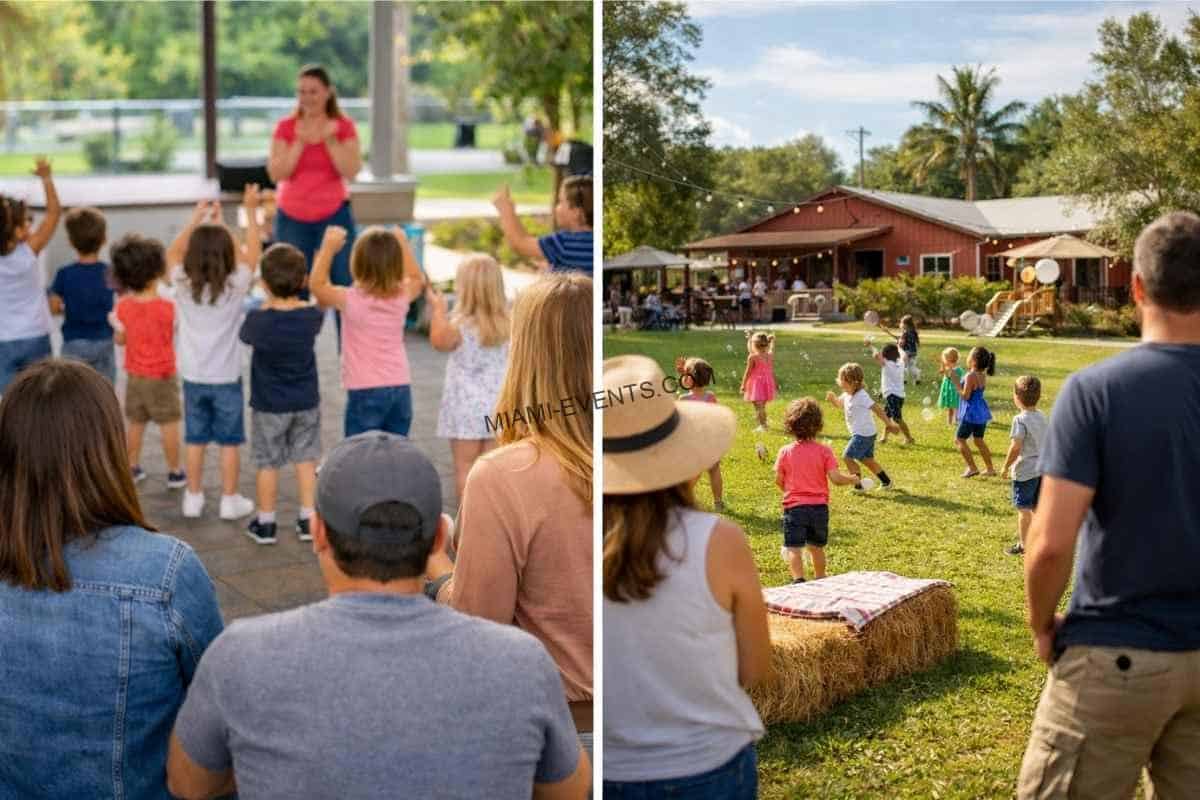
1. Engagement Beats Entertainment Every Time
One of the biggest misconceptions about kids events is that entertainment alone is enough. A performer can be talented, colorful, and energetic—but if children are just watching instead of participating, attention fades quickly.
The best events invite kids into the experience. That might mean simple call-and-response moments, guided movement, or repetition that makes children feel confident jumping in. Engagement keeps energy focused, and focused energy keeps kids present.
2. Pacing Matters More Than Parents Realize
Parents often don’t notice pacing until it’s missing. Long stretches of the same activity lead to restlessness, while rapid-fire transitions can overwhelm younger kids.
Well-run kids events tend to break activities into short segments: a song, then movement, then interaction—followed by a brief reset. This rhythm allows children to stay involved without burning out.
3. Age-Appropriate Design Is Non-Negotiable
What works for seven-year-olds rarely works for toddlers. Parents notice when an event clearly understands the age group it’s serving.
Younger children benefit from:
- Simple language
- Repetition
- Positive reinforcement
- Clear visual and verbal cues
Events that skip these basics often turn chaotic—not because kids are “misbehaving,” but because the structure doesn’t match their developmental stage.
4. Parents Want to Feel Relaxed, Too
A subtle but important marker of a great kids event is how parents behave. When children are engaged, parents aren’t constantly stepping in to redirect attention. They’re watching, chatting, taking photos, and actually enjoying the moment.
This is where structure quietly shines. When entertainment flows smoothly, parents don’t have to manage the experience—and that’s often what leads to positive word-of-mouth afterward.
5. Real Events Set the Best Examples
The clearest way to understand what works is to look at real events that successfully balance engagement, pacing, and age-appropriate interaction.
A recent live kids event in South Florida demonstrated this approach well, blending interactive entertainment with thoughtful structure in a way that kept children involved while parents stayed relaxed. You can read a full breakdown of that experience here: inside a live South Florida kids event .
6. The Takeaway for Parents and Event Hosts
Great kids events don’t happen by accident. They’re the result of understanding how children engage, how long attention lasts, and how structure shapes the entire experience.
From a parent’s point of view, the most successful events share a few simple traits: kids are involved, transitions feel natural, and the environment supports movement and participation. When those pieces come together, the event feels memorable—not stressful.
Final Thoughts
Whether you’re planning a birthday, attending a community gathering, or choosing entertainment for a family event, paying attention to these details can make all the difference. Parents remember experiences where their kids stayed happy and engaged—and those are the events that tend to get recommended again and again.
